
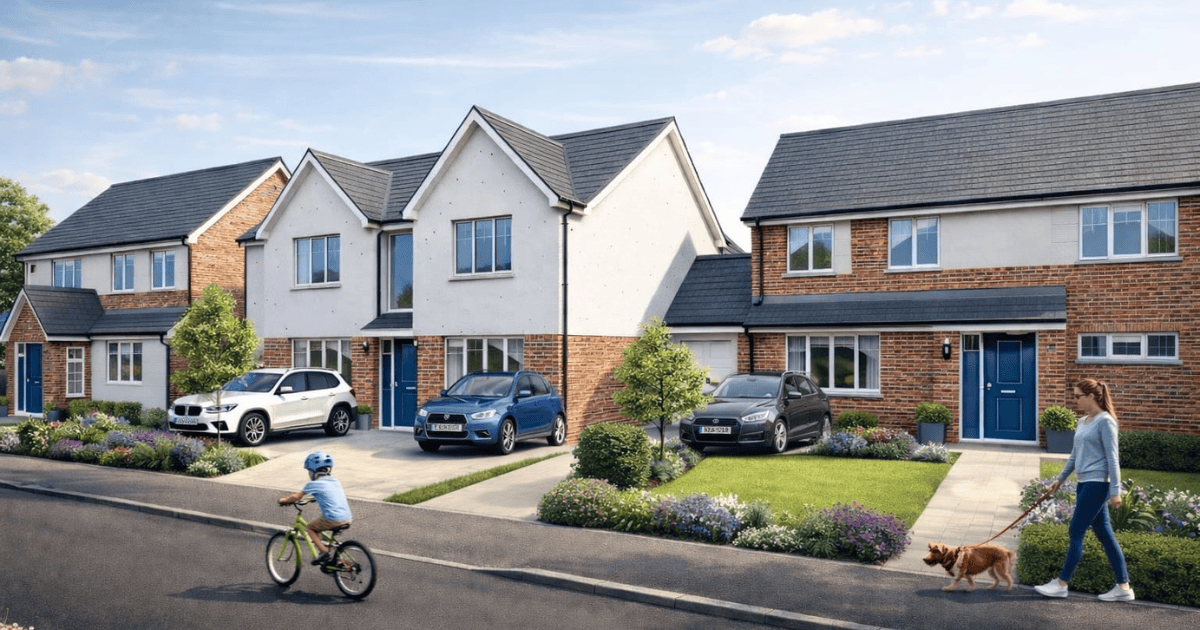
Choosing an architect is one of the most important decisions you’ll make when planning a home extension, renovation, or new-build, especially as the project could cost you upwards of £100k. A great architect does far more than draw plans; they guide your entire project – from concept and design to planning, regulations, builder selection and beyond. They help you avoid costly mistakes, maximise your budget, and bring clarity to what can otherwise feel overwhelming.
But with so many practices and freelancers offering architectural services, how do you choose the right one?
In this guide, the team at Architectural Hub walk you through everything you need to know: what to look for, what to ask, what to check, and the red flags that should send you running. After reading this, you’ll feel fully equipped to make a confident, informed choice.
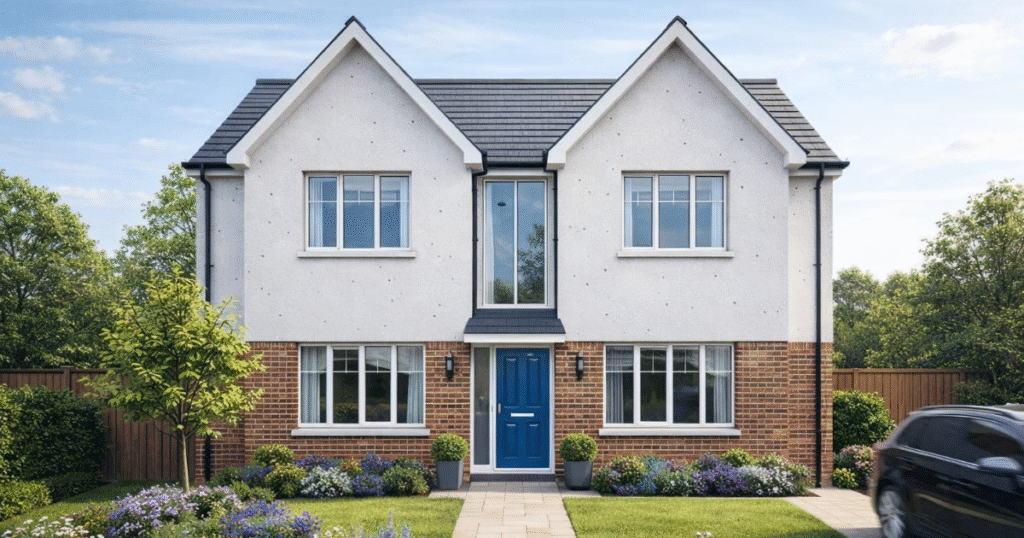
1. Why Your Architect Matters More Than You Think
A good architect will:
- Help you visualise your ideal space
- Maximise light, flow and functionality
- Navigate planning permission
- Manage tricky technical details
- Coordinate builders, engineers and specialists
- Save you time, stress and money
- Protect you from expensive mistakes
- Be your guide throughout the entire construction process
A not-so-good architect?
They can cause delays, miscommunication, unexpected costs, and designs that simply don’t work for your lifestyle.
Malcolm Clarke from Architectural Hub says, “Choosing a good architect well at the beginning of your house extension project makes everything else smoother.”
2. Start With Their Experience: Do They Understand Your Type of Project?
Architects often have specialisms. For example:
- House extensions and renovations
- Loft conversions
- Garden rooms or outbuildings
- Greenbelt or conservation projects
- New builds and self-builds
- Residential or commercial projects
Choose the architect in Essex who regularly handles the type of project you’re planning. Experience is everything when it comes to anticipating issues and navigating the planning process.
Architectural Hub Top Tip:
Ask to see completed house extension examples in Essex similar to your project, not just a general portfolio.
3. Look at Their Design Style: Does It Suit You?
Every architect has a design “language.”
Some lean toward modern, minimalist design; others excel at traditional or period properties. Some focus on sustainability and low-energy homes, while others prioritise statement glazing or bespoke interiors.
Browse:
- Their website gallery
- Their Instagram or Pinterest
- Case studies
- Before/after images
You’ll quickly get a feel for whether their style aligns with your preferences.
Architectural Hub Top Tip:
If you can imagine living in their projects, you’re on the right track.
4. How an Architect Communicates is Just as Important as How They Design
You’ll be working with your architect for many months – potentially a year or more.
Good communication makes the journey enjoyable. Poor communication makes it stressful.
Signs of great communication:
- Clear, friendly explanations
- Quick responses
- Transparent pricing
- Regular updates
- Willingness to listen
- Genuine interest in your lifestyle and needs
Signs of poor communication:
- Slow replies
- Confusing information
- Vague or incomplete answers
- Pressure to make decisions
- Limited interest in your ideas
Choose an architect who makes you feel understood and supported.
Architectural Hub Top Tip:
Malcolm Clarke says: “In our practice, we take the time to get to know you, your family, your vision and dreams for your home, and how you want your house extension or loft conversion to work for you. We also understand your budget and design accordingly.”
5. The Questions You Should Ask When Comparing Architects
Here are essential questions to ask potential architects that will help you understand their approach, experience and reliability:
a. What similar projects have you worked on recently?
You want to see house extension projects in Essex that match your property type, budget and goals.
b. How do you approach design?
Do they listen first? Do they explore multiple options? Do they consider the budget early?
c. What’s your planning success rate?
This is especially important in tricky areas like conservation zones or greenbelts.
d. What’s included in your fee – and what isn’t?
Make sure you understand the costs for:
- Concept drawings
- Planning drawings
- Building regulation drawings
- 3D visuals
- Site visits
- Coordination with engineers
- Project management (if offered)
e. Who manages the planning application?
Your architect should. They should handle council questions too.
f. Do you have contacts with structural engineers and builders?
The best architects work with trusted specialists.
g. How do you handle changes during the project?
A clear process here protects your budget.
h. What is your typical timeline?
And how busy are they? Good architects are in demand.
i. Check their credentials and reviews
Check if your preferred Essex architect is an actual architect – not an Architect Designer or Architect Technician – a RIBA Chartered Architect and a member of the Architects Registration Board (ARB).
In the UK, the title “architect” is legally protected. To use it, a professional must be registered with the Architects Registration Board (ARB), confirming they hold recognised qualifications and meet strict professional standards. ARB also has the power to investigate complaints and take disciplinary action, providing important protection for homeowners.
Many architects are also members of the Royal Institute of British Architects (RIBA). RIBA Chartered Architects and Practices must meet rigorous standards, carry appropriate professional indemnity insurance, undertake ongoing training and follow a strict code of ethics.
In short, ARB registration confirms legal qualification, while RIBA Chartered status offers an additional layer of professional accountability and reassurance – particularly valuable when investing in your home.
It is also important to check for:
- Solid reviews
- Testimonials
- Word-of-mouth recommendations
- Case studies
Architectural Hub Top Tip:
If any of the architects on your shortlist are not fully registered with RIBA or the ARB, or if they cannot provide references from past clients, proceed with caution.
Malcolm Clarke says “We are proud that Architectural Hub is a member of the ARB and I am a RIBA Chartered Architect, having undergone the full seven years of architectural training. We also have more than 60 Google reviews with an excellent average star rating of 4.8 out of 5.”
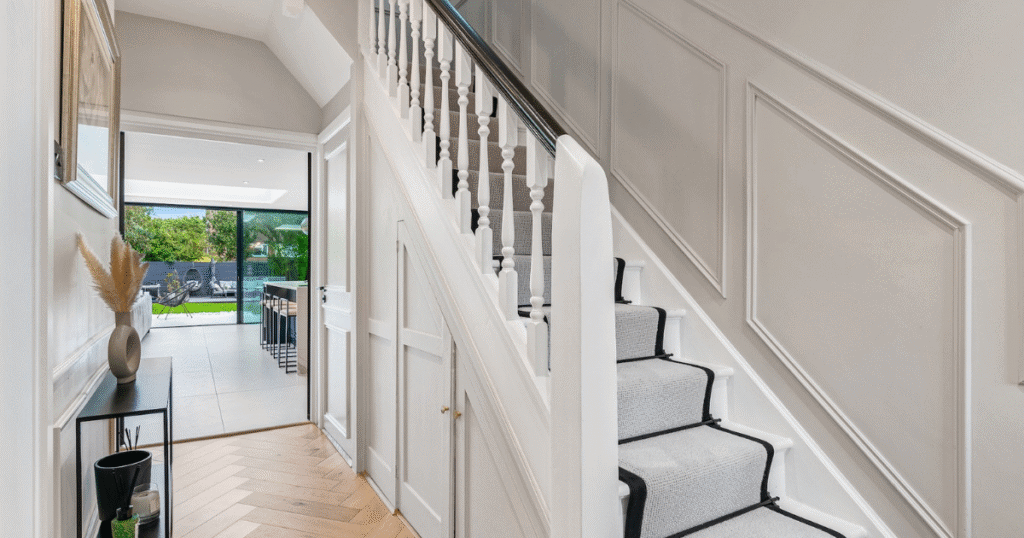
7. Understand Their Fee Structure (Everyone Does This Differently)
Architects typically charge in one of three ways:
a. Fixed fee
Clear and predictable. Great for homeowners. (This is what we do at Architectural Hub.)
b. Percentage of project cost
Common in large builds.
c. Hourly rate
Often used for smaller services or extra work.
Make sure you understand:
- Payment stages
- What’s included
- What counts as “additional work”
- How revisions are handled
Transparency is key.
8. Ask How They Work With Builders
The relationship between architect and builder can make or break a project.
Good architects will:
- Provide clear drawings builders can price accurately
- Help compare quotes
- Flag suspiciously low pricing
- Recommend reputable builders
- Visit the site during construction (if agreed)
- Help resolve issues quickly
Architectural Hub Top Tip:
You want an architect in Essex or Kent who works collaboratively – not one who disappears once the plans are submitted.
9. Look for Someone Who Thinks Creatively (and Practically)
A great architect balances:
- Beautiful design
- Practicality
- Budget
- Timeline
- Planning policy
- Your lifestyle
They should bring ideas you might never have considered:
- Hidden storage
- Lightwells
- Clever circulation
- Multi-use zones
- Improved natural light
- Space-saving features
- Better flow through your home
Their creativity should work for you, not against your budget.
10. Red Flags to Watch Out For
Here are the warning signs that an architect may not be the right fit:
They can’t explain planning rules clearly
They push designs that don’t fit your style, vision or needs
They avoid discussing costs
They are vague about timelines
They offer prices that seem “too good to be true”
Their drawings look basic or generic
They don’t ask questions about your lifestyle
They resist collaboration with other specialists
They refer to themselves as Architectural Designer or Technician, not Architect
They have poor or limited reviews
If something feels off, trust your instincts.
11. Why the “Right Fit” Matters More Than the Lowest Price
Your architect is a long-term partner throughout your project.
You should feel:
- Confident
- Comfortable
- Listened to
- Supported
- Inspired
The cheapest option is rarely the best – and often leads to costly issues later.
Architectural Hub Top Tip:
Your home is probably your most valuable possession, so why trust any changes to it to someone who doesn’t have the full qualifications or doesn’t feel the right fit? Investing in a great architect is one of the most valuable decisions you’ll make.
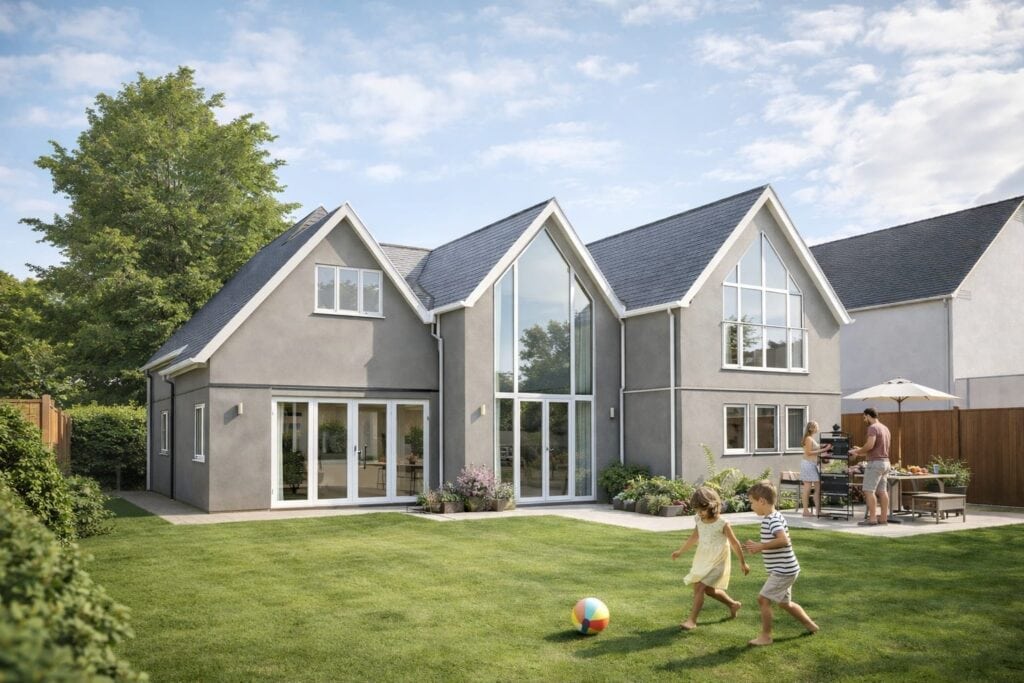
12. Final Thoughts: Choosing an Architect Should Feel Exciting
The right architect will help you unlock your home’s potential in ways you may never have dreamed of.
To recap:
- Look for experience with your type of project
- Check their design style matches your taste
- Ask clear, practical questions
- Understand their fees transparently
- Watch for red flags
- Choose someone who communicates well
- Choose someone fully qualified
- Trust your instincts
With the right architect by your side, your extension, renovation or new build will feel smoother, clearer and far more enjoyable.
Malcolm Clarke says: “When you find the architect who ‘gets you’ and your vision, you’ll know – and the journey from first sketch to final build becomes the exciting adventure it should be.
If you’re interested in seeing if we’re the right architect for you, book a call with us today! We’d love to chat and hear more about your project and plans.”
Planning a house extension or loft conversion in Essex or Kent?

Start smarter with monthly hints and tips delivered to your inbox.
Join our monthly Architectural Hub newsletter for practical advice on planning permission, building regulations, design ideas and avoiding costly mistakes – tailored for homeowners in Brentwood, Havering and nearby areas.
Clear guidance. No jargon. No pressure.

