
In the realm of home improvement and architectural design, extensions and conversions often take centre stage. They offer homeowners the opportunity to expand their living space or repurpose existing areas to suit their needs better. However, it’s essential to recognise that the world of home design extends far beyond these traditional approaches. In this article, we’ll delve into innovative home design solutions that go beyond extensions and conversions, offering creative ways to enhance your home’s functionality, aesthetics, and sustainability.
1. Adaptive reuse
While conversions involve transforming existing structures into new spaces, adaptive reuse takes this concept a step further by repurposing materials and elements from one context to another. This sustainable approach reduces waste and adds character and history to your home. Consider incorporating reclaimed wood, salvaged fixtures, or vintage furniture into your design to create a unique and environmentally friendly living environment. From upcycled pallets to repurposed shipping containers, the possibilities for adaptive reuse are endless and limited only by your imagination.
2. Modular construction
Modular construction offers a flexible and efficient alternative to traditional building methods, allowing for rapid assembly and customisation of prefabricated components. Modular homes are constructed off-site in a controlled factory environment, then transported and assembled on-site in a fraction of the time required for conventional construction. This approach reduces construction costs and minimises disruption to your daily life during the building process. Whether you’re looking to add a modular extension, a standalone guest house, or a backyard studio, modular construction offers a streamlined and sustainable solution for modern living.
3. Multi-functional spaces
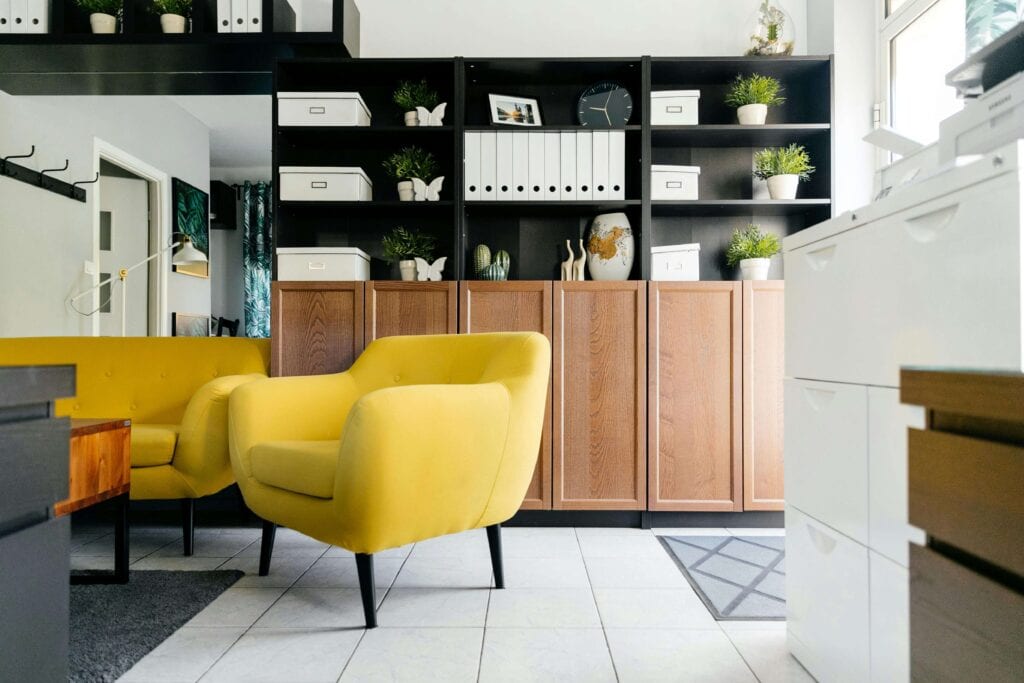
In today’s fast-paced world, maximising space efficiency is essential for homeowners seeking to make the most of their living areas. Multi-functional spaces offer a versatile solution by serving multiple purposes within a single area. From convertible furniture and fold-down beds to sliding partitions and hidden storage solutions, there are countless ways to optimize your space and create a more adaptable living environment. By designing rooms that can easily transition from one function to another, you can maximise the usability and versatility of your home without the need for costly renovations or expansions.
4. Sustainable design
As awareness of environmental issues grows, many homeowners are turning to sustainable design principles to reduce their carbon footprint and minimise their impact on the planet. There are numerous strategies for creating a more sustainable home, from passive solar design and green roofs to energy-efficient appliances and renewable materials. Incorporating sustainable features into your design benefits the environment, reduces utility costs, and improves the overall quality of your living environment. Whether you’re building a new home or renovating an existing one, prioritising sustainability can help you create a healthier and more eco-friendly living space for you and your family.
5. Outdoor living spaces
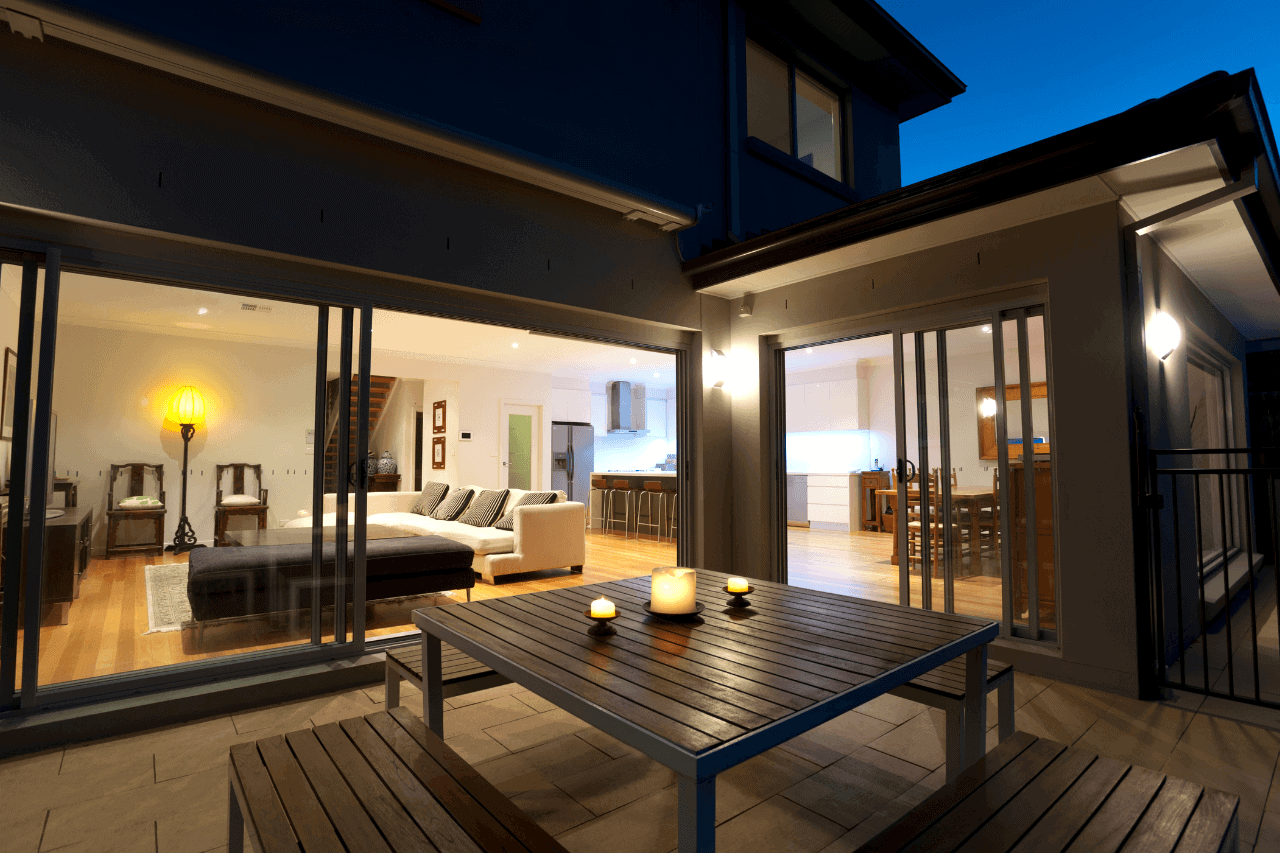
Incorporating outdoor living spaces into your home design can expand your living area and enhance your connection to the natural world. From rooftop gardens and terraces to courtyard patios and decked areas, outdoor spaces offer a tranquil retreat where you can relax, entertain, and enjoy the beauty of the outdoors. Consider integrating features such as outdoor kitchens, fire pits, and lounging areas to create a seamless transition between indoor and outdoor living. By blurring the boundaries between inside and outside, you can maximise the usability and enjoyment of your home while creating a welcoming and inviting atmosphere for you and your guests.
In conclusion, while extensions and conversions are popular for home improvement projects, exploring innovative design solutions that offer new possibilities for enhancing your living space is important. From adaptive reuse and modular construction to multi-functional spaces, sustainable design, and outdoor living areas, there are countless ways to elevate your home’s functionality, aesthetics, and sustainability. By thinking outside the box and embracing creative approaches to home design, you can create a truly unique and inspiring living environment that reflects your lifestyle, values, and aspirations.

