
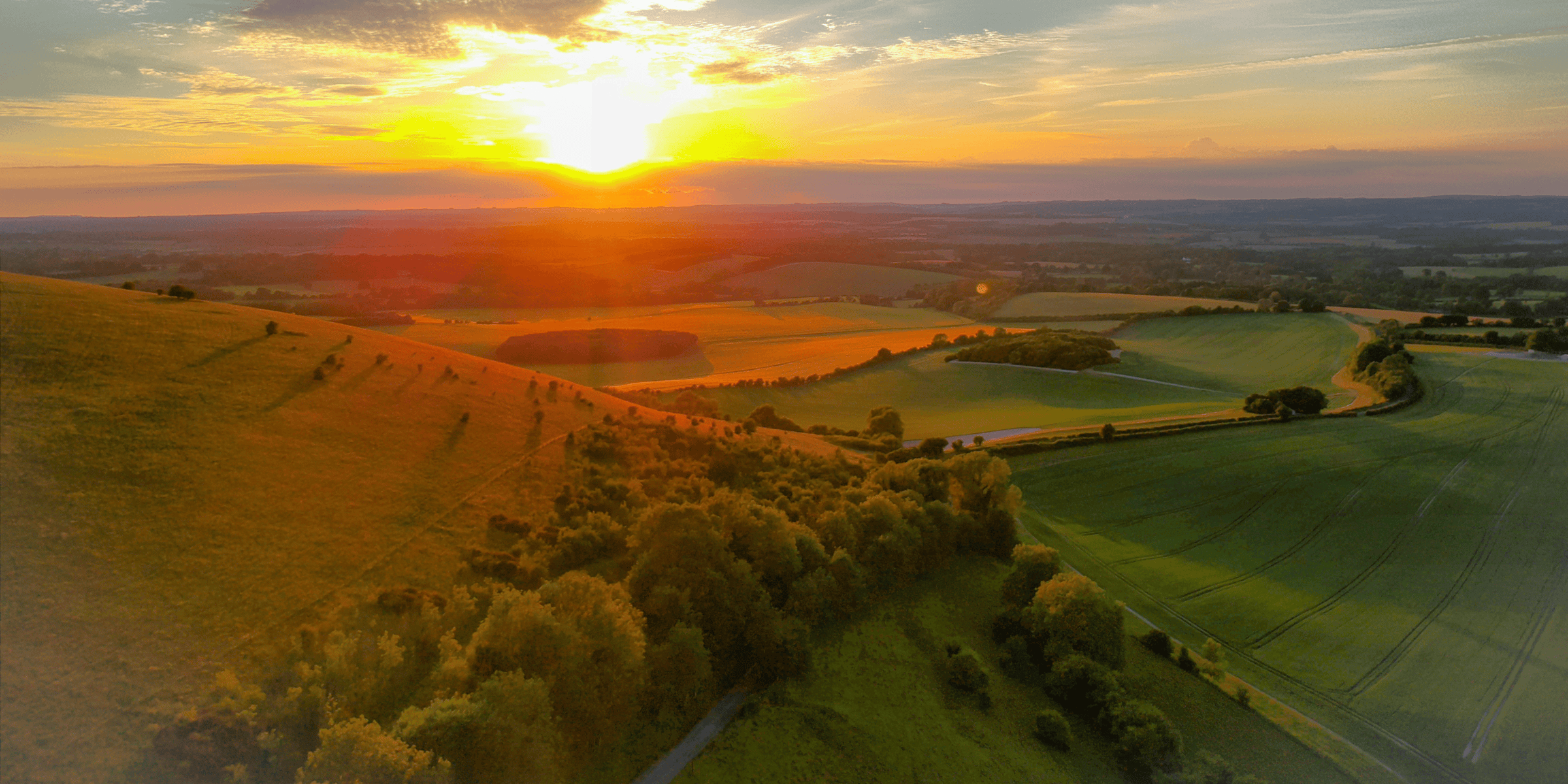
When considering projects on greenbelt land, there are several key factors to keep in mind. Here are some important things to know:
- Planning permission: Greenbelt land is often subject to stringent planning regulations. Before undertaking any construction or development, it is crucial to understand the specific planning restrictions. Building on greenbelt land typically requires a compelling justification and a clear demonstration of exceptional circumstances.
- Conservation and environmental concerns: Greenbelt areas are designated to protect and preserve natural landscapes, wildlife habitats, and historical sites. Any proposed project on greenbelt land must consider environmental sustainability, biodiversity conservation, and the impact on the local ecosystem.
- Community consultation: Development on greenbelt land often requires engaging with the local community and addressing any concerns they may have. It is important to involve the community in the planning process and seek their feedback and input.
- Alternative development options: Before considering greenbelt land, explore other possibilities for development, such as brownfield sites or existing urban areas. Utilising previously developed land is often encouraged as a more sustainable option.
- Long-term impact: Consider the long-term implications of the project on the greenbelt area. Assess how the development will affect the character and integrity of the landscape, as well as potential changes to the visual, ecological, and recreational aspects of the area.
- Collaboration with professionals: Engage professionals who have experience in working with greenbelt land, such as architects, planners, and environmental consultants. Their expertise can help ensure that your project is compliant with regulations, preserves the natural value of the land, and integrates sustainable design principles.
- Public access and enjoyment: Consider how your project can contribute to public access and enjoyment of the greenbelt area. This could involve incorporating public open spaces, walking trails, or preserving and enhancing existing features that benefit the community.
It is important to note that regulations and guidelines for greenbelt land can vary depending on the country and specific local planning authorities. Consulting with experts and conducting thorough research will help you navigate the process and ensure compliance with the relevant regulations.

