
A friendly, practical guide for Essex and Kent homeowners planning a loft project this year
If you’ve ever looked up at your unused attic and thought, “We could do something amazing with that space,” you’re not alone. Loft conversions continue to be one of the UK’s most popular home improvements – and for good reason. They’re cost-effective, they add value, and in many cases, they don’t require planning permission.
But which type should you choose? A dormer loft conversion or a Velux loft conversion?
The answer depends on your roof shape, your budget, the space you want to create, and how you plan to use the room. In the text below, we’ve broken down the differences, the pros and cons, the costs, and how to decide which type of loft conversion is perfect for your home.
1. What’s the Difference Between a Dormer and a Velux Loft Conversion?
Dormer Loft Conversion – More Space, More Flexibility
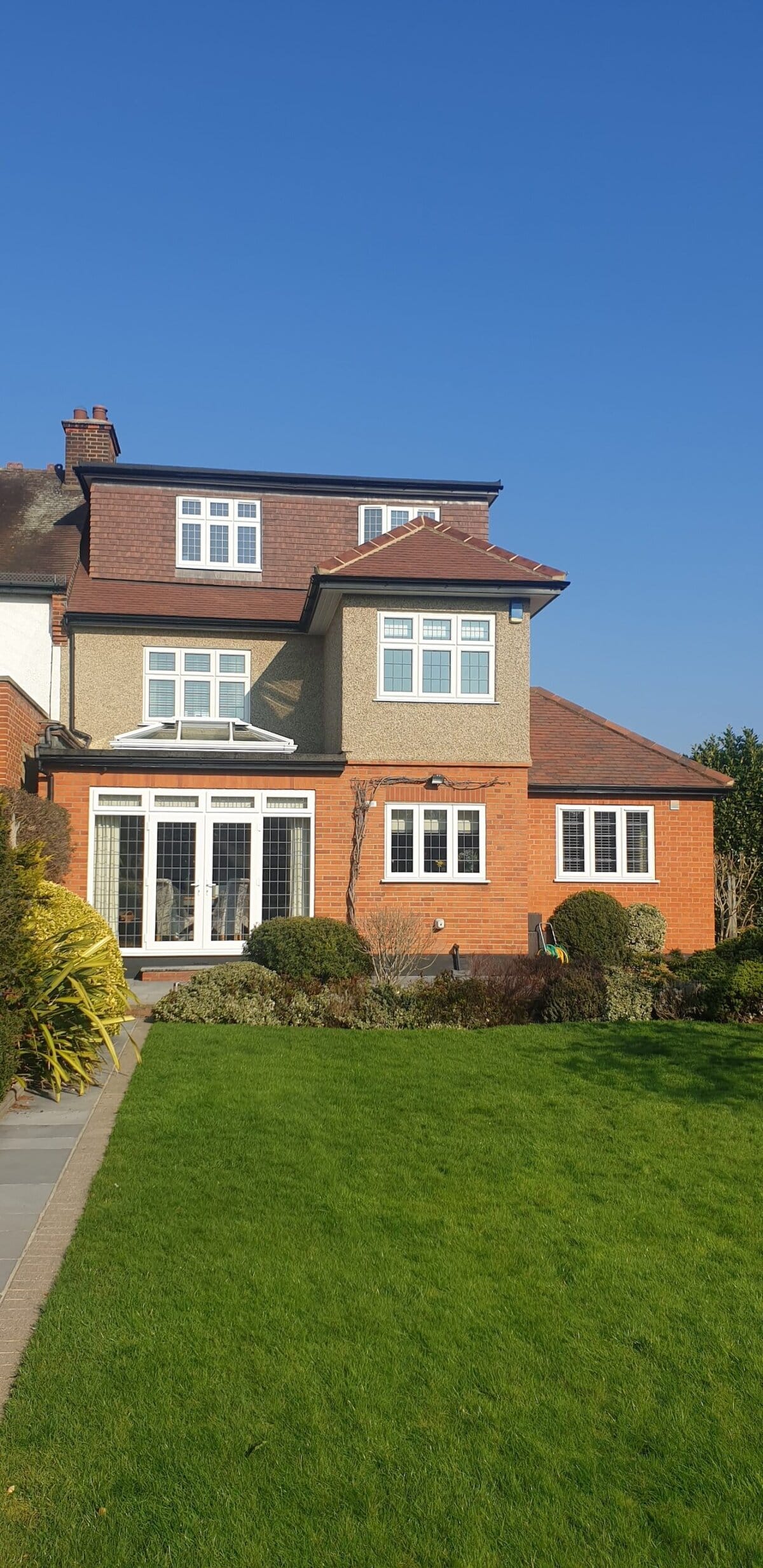
A dormer is a structural extension that projects from your existing roof, creating a vertical wall and a flat (or slightly pitched) roof. Think of it as “punching out” space from your roof to create extra head height and usable floor area.
Dormers are extremely popular because they:
- Create full headroom across most of the new room
- Transform awkward angles into usable spaces
- Allow standard-size windows (great for natural light)
- Make room layouts easier and more furniture-friendly
- Are ideal for bedrooms, offices or ensuites
In short, if you want to create a proper, full-height room, a dormer is usually the best option.
Velux Loft Conversion – Simple, Affordable and Full of Light
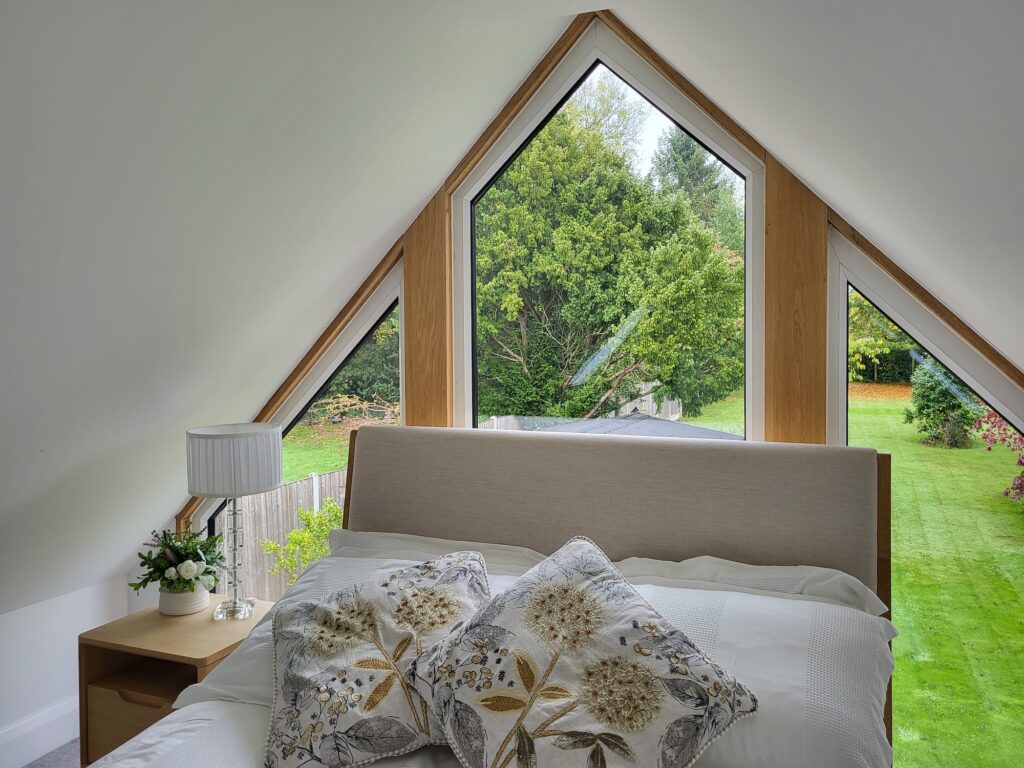
In contrast, a Velux conversion uses your existing roof shape and simply adds Velux roof windows to bring in natural light. No major structural changes are necessary.
Homeowners love Velux conversions because they:
- Are the quickest, most affordable option
- Don’t require altering the roof structure
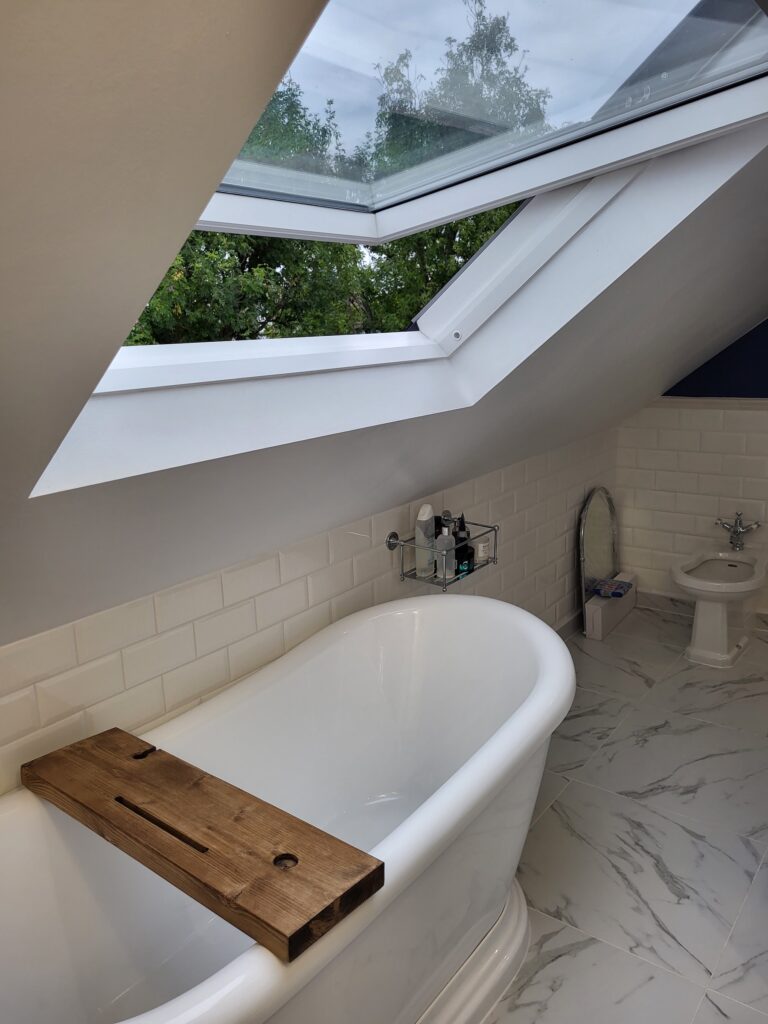
- Let in a huge amount of natural light
- Rarely requires planning permission
- Preserve the character of your home
These suit lofts that already have good head height.
2. Costs in 2026: What Should You Budget?
Costs for loft conversions in 2026 will vary depending on your location and specifications, but here’s a realistic guide for 2026:
Velux Conversion Costs (2026)
- £25,000–£40,000
Ideal if your loft already has decent height and you want to keep things straightforward.
Dormer Conversion Costs (2026)
- £55,000–£85,000 for a standard rear dormer
Dormers cost more because they involve more labour, steelwork and roofing work – but they create significantly more usable space and therefore more value.
3. Space: How Much Extra Room Will You Gain?
Dormer = Maximum Space
If your current loft feels cramped or has a steep pitch, a dormer can make a dramatic difference. Homeowners often gain:
- A full double bedroom
- An ensuite bathroom
- Built-in storage
- Proper standing height across most of the room
A dormer essentially transforms the space into something that feels like a proper floor of your home.
Velux = Light, Airy and Perfect if You Already Have Height
Velux conversions work well when:
- Your loft has a high ridge height
- The space is open and not heavily restricted
- You don’t need to add too much structural work
- You want the quickest, most cost-effective solution
The result feels light, bright and peaceful – great for home offices, studios or guest rooms.
4. Loft Conversion Planning Permission in Essex: What Do You Need?
Most loft conversions fall under permitted development, which means you don’t need full planning permission if the design follows key rules.
Velux Conversions and Planning
Rarely need permission because you’re not extending the roof – just adding windows.
Dormer Conversions and Planning
Standard rear dormers usually fall under permitted development, but you will need full planning permission if:
- You live in a conservation area
- You want a dormer facing the road
- The dormer exceeds height or volume limits
- Your roofline will be significantly altered
Architectural Hub can walk you through this and check your permitted development status, so you know exactly what’s allowed.
5. Complexities, Engineering and Build Time
Dormer Conversions Require Complex Engineering
- Require roof alterations
- Often need steels to support the new structure
- More labour-intensive
- Typically take 6–10 weeks to complete
Velux Conversions Are Less Complex and Take Less Time
- Minimal structural changes
- No change to existing roofline
- Typically 2–5 weeks faster
- Less mess and disruption
If you want the quickest, least disruptive project, a Velux loft conversion might be the right choice.
If you want maximum value and space, a dormer is worth the longer timeline.
6. How Will You Use the Space? (This Is the Deciding Factor)
This is often the biggest clue about which type to choose.
Choose a Dormer if You Want:
- A full-size bedroom
- A master suite with ensuite
- A home office with plenty of headroom
- A playroom
- A long-term, futureproof investment
Dormers turn your loft into a true third floor.
Choose a Velux if You Want:
- A home office
- A studio or hobby room
- A peaceful reading nook
- Occasional guest accommodation
- The most budget-friendly upgrade
Velux spaces feel cosy, calm and full of natural light.
7. Property Value in Essex: Which Option Adds More?
Both conversions add value, but dormers typically deliver the biggest return.
Velux Value Increase
- Approximately 10–15% added to home value
This option is ideal for boosting space without major investment.
Dormer Value Increase
- Typically 15–25% added to home value
Buyers love a full-size bedroom with proper head height – especially if it includes an ensuite.
8. Energy Efficiency and Comfort in 2026
Modern regulations mean that any loft conversion must meet strict insulation standards. The good news is that both Velux and dormer conversions can become warm, comfortable, energy-efficient spaces.
Homeowners especially love:
- High-performance roof insulation
- Solar-control glazing
- Blackout blinds for bedrooms
- Smart heating zones
- Soundproofing insulation
Architectural Hub will help you choose the best combination based on how you’ll use the space.
9. Choosing the Right Option: A Quick Decision Guide
If you’re still unsure about the type of loft conversion you want, here’s a simple checklist:
Pick a Dormer If:
- Your loft has limited headroom
- You want a bedroom or master suite
- You want the biggest possible return on investment
- You plan to stay in your home long-term
- You want flexibility with layout and furniture
Pick a Velux If:
- Your loft already has decent height
- You want a quick, cost-effective transformation
- You love natural light
- You’re creating a guest room or home office
- You want minimal disruption
If you’re in between, don’t worry – we can help you see the possibilities.
10. Final Thoughts: So… Which Conversion Should You Choose?
There’s no single “right” answer – both dormer and Velux conversions can create beautiful, practical spaces. The trick is choosing the one that suits your roof, your lifestyle, your budget and your long-term plans.
A Velux conversion is perfect if you want something simple, affordable and filled with natural light.
A dormer conversion is ideal if you want to maximise head height, create a proper new room – and add serious value to your home.
If you’re ready to explore the possibilities for 2026, the best next step is a friendly chat with the team at Architectural Hub. We’d love to show you exactly what’s feasible for your home.

