

The year 2023 has witnessed a significant shift in housing trends as homeowners and architects explore innovative ways to create spaces that align with the evolving needs and preferences of modern living. From sustainable design principles to the integration of advanced technologies, the housing industry is undergoing a remarkable transformation.
Sustainable and Eco-Friendly Design
With growing environmental concerns, sustainability has become a fundamental aspect of housing design in 2023. Architects are incorporating eco-friendly materials and energy-efficient technologies to reduce the carbon footprint of buildings. From solar panels and rainwater harvesting systems to green roofs and passive design strategies, homes are being designed to minimise energy consumption and promote sustainable living.
Smart Homes and Automation
In 2023, smart homes have become more accessible and affordable. Home automation systems control lighting, temperature, security, and entertainment, enhancing convenience and energy efficiency. Voice-activated assistants and integrated smart devices have made it possible to control various aspects of the home with a simple command.

Flexible and Multi-Purpose Spaces
Homeowners are looking for adaptable areas that can serve different needs at different times. Open-plan layouts, movable walls, and convertible furniture allow homeowners to transform spaces to accommodate various activities, from work and relaxation to entertainment and exercise. This trend reflects the changing dynamics of modern lifestyles, where versatility and adaptability are highly valued.
Wellness-Oriented Design
Wellness and well-being have taken centre stage in architectural design. In 2023, architects are prioritising the integration of biophilic design principles, which focus on incorporating natural elements into the built environment. Large windows maximise natural light, indoor green walls improve air quality, and outdoor living spaces seamlessly merge with interiors. These design elements promote a connection with nature, enhance mental well-being, and create a calming and rejuvenating environment within the home.
Embracing Minimalism and Decluttering
The trend of minimalism continues to gain popularity in 2023, as homeowners strive for a clutter-free and serene living environment. Architects are designing homes with ample storage solutions, cleverly integrating hidden compartments and built-in storage systems. Streamlined aesthetics, clean lines, and uncluttered spaces create a sense of calm and promote a mindful approach to living.
Customisation and Personalisation
In 2023, homeowners are increasingly seeking homes that reflect their unique personalities and preferences. Architects are focusing on customisation and personalisation, allowing homeowners to have a hand in the design process. This includes options for finishes, materials, layouts, and smart home features that can be tailored to individual needs and lifestyle choices. Personalised homes create a strong sense of ownership and provide a space that truly feels like a reflection of the homeowner’s identity.
Outdoor Living Spaces
In 2023, there is a growing emphasis on extending living spaces beyond the confines of the home. Homeowners are increasingly investing in outdoor living areas that serve as an extension of their indoor spaces. Architects are designing functional and comfortable outdoor kitchens, dining areas, lounges, and entertainment spaces. Incorporating features such as fire pits, pergolas, and outdoor heaters allows homeowners to enjoy their outdoor spaces year-round, blurring the boundaries between indoor and outdoor living.
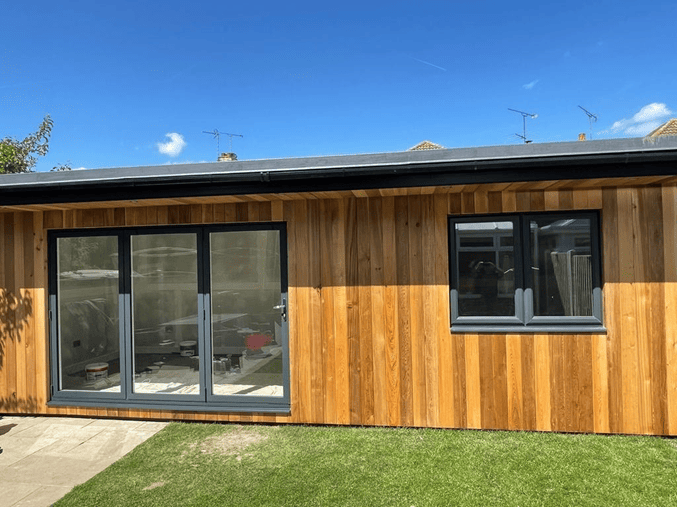
The housing trends of 2023 showcase a dynamic and innovative approach to architectural design. With a strong emphasis on sustainability, technological integration, flexible spaces, and wellness, architects are creating homes that cater to the evolving needs and desires of modern homeowners. By embracing these trends, architects can stay at the forefront of the industry and deliver exceptional living spaces that harmonise with the demands of the future. As the housing landscape continues to evolve, it is crucial for businesses in the architectural field to adapt and embrace these trends to create homes that inspire, delight, and enhance the lives of their occupants.

